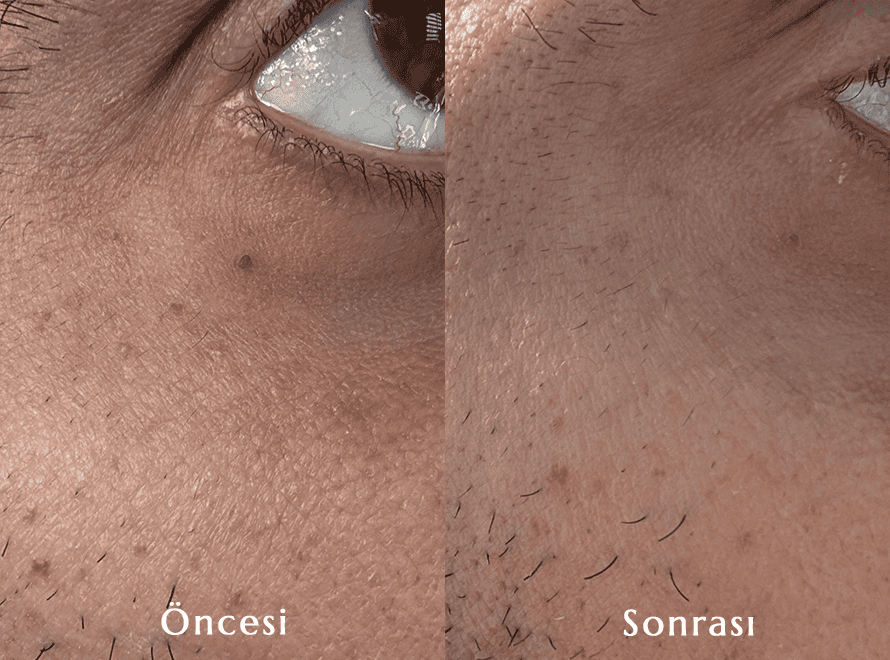
06 Proteasome Activation (Clearing Protein Damage) : It activates the ubiquitin-proteasome system to remove misfolded and aggregated proteins, improving skin texture uniformity
The evidence was based on experimental data only briefly described in the patent and included models of: gastric ulcers, heart damage, liver damage, pancreatic injury, kidney damage, experimental diabetes, fever, edema, rhinitis, bone fracture, burns, skin wounds, hypersensitivity reactions, pupil dilation, colon injury, tumour growth, radiation injury, red blood cell development, fertility and lactation, tooth damage, several types of central and peripheral nerve damage, and survival from infection with Trichinosis (i.e., tapeworms) as well as several viruses
With only 2 mg total, you need to be careful about dilution
Seiwerth and colleagues (2021) published a comprehensive review in Frontiers in Pharmacology documenting BPC-157s effects across 22 separate gastrointestinal injury models, including perforated bowel, anastomosis healing, short bowel syndrome, and stress-induced ulceration
Cardiovascular Emerging Evidence Evidence Rating: Emerging (Preliminary animal data) Cardiovascular applications are less studied but intriguing: Cardiac protection Arrhythmia prevention Blood vessel healing Collateral vessel formation Regulatory Status FDA Classification BPC-157 is not approved by the FDA for any medical use in humans